The Colors of Your Health — What Each Colour Tells You About Your Body
By Quinek Life Sciences
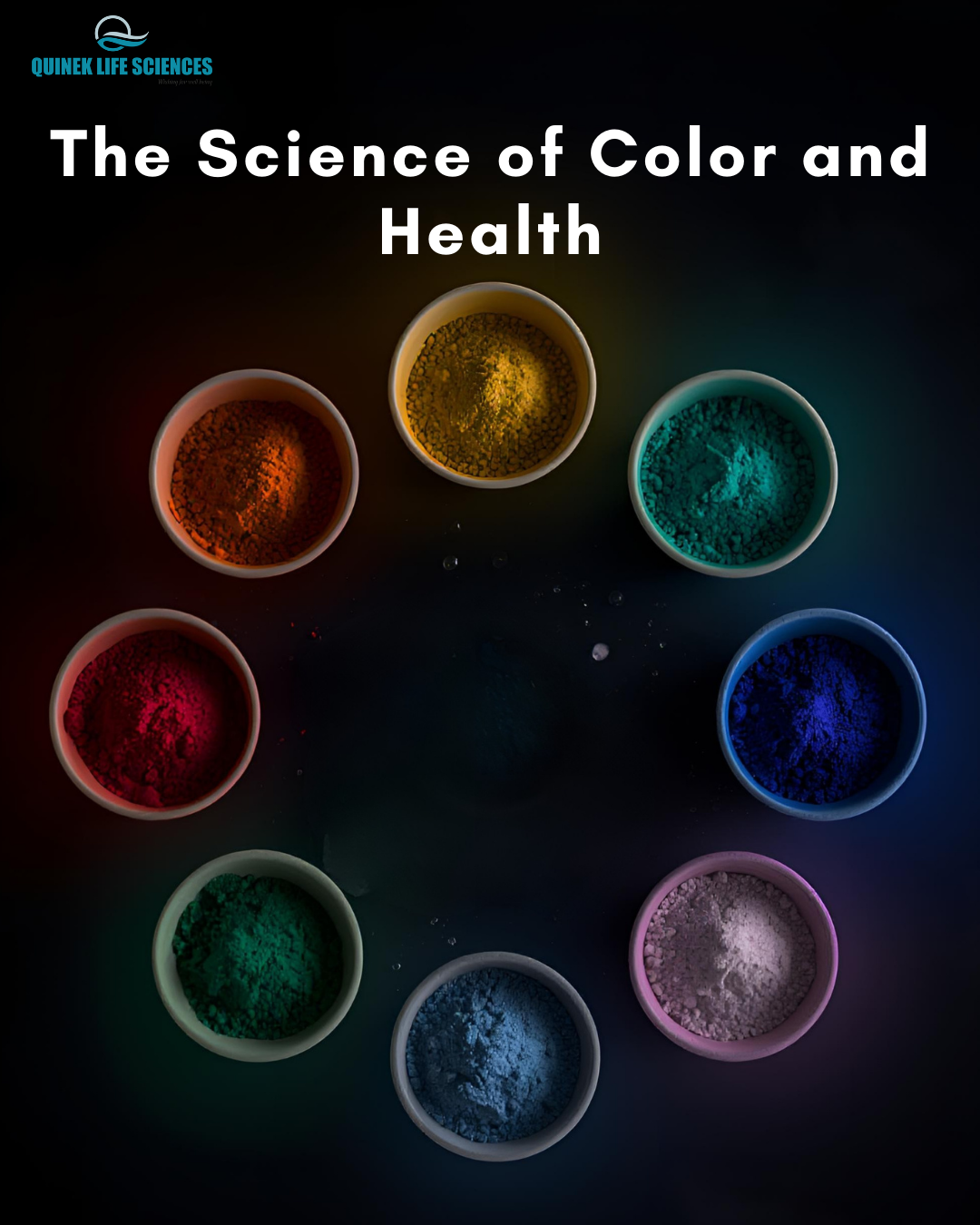
The Science of Color and Health
Nature has always been medicine’s greatest teacher.
Long before modern pharmaceuticals, healers across civilizations understood that color was a window into the body. Red foods built blood. Green plants healed wounds. Yellow spices fought inflammation. Today, biochemistry confirms what ancient wisdom always knew — the pigments that give color to foods, plants, and even our own tissues are among the most powerful bioactive compounds on earth. so learn what these colors tells you about your health.
At Quinek Life Sciences, we believe that health begins with awareness — of your body, your signals, and the simple choices you make every day. This guide maps the eight colors of your health, the organs they govern, and the steps you can take right now to protect each one.
Eight Colors. Eight Systems. One Body.
1.Red — Blood, Vitality, Life Force
Organs: Heart, Blood, Uterus
Red is the color of your blood, your heartbeat, and in women, the monthly rhythm of reproductive health. Lycopene — the red pigment in tomatoes and watermelon — is one of the most studied cardiovascular protectors in nutritional science. A healthy red system means strong circulation, regular cycles, and a heart that beats with strength and rhythm.
What you should do:
-
Eat tomatoes, pomegranate, and watermelon daily — lycopene actively protects the heart
-
Track your menstrual cycle — irregularity is your body’s earliest warning signal
-
Walk 30 minutes a day — your heart is a muscle and needs progressive training
-
Check blood pressure regularly — hypertension causes damage silently for years
Quinek specializes in gynecology and IVF — the heart of reproductive health.
2.Orange — Warmth, Digestion, Filtration
Organs: Kidneys, Adrenal Glands
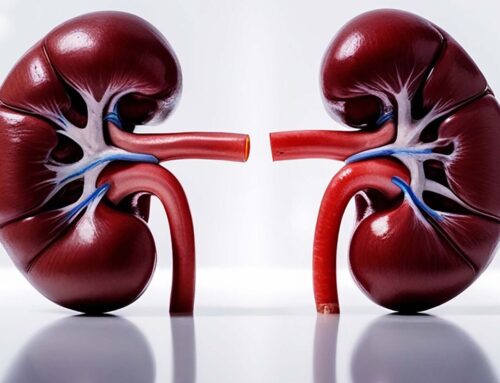
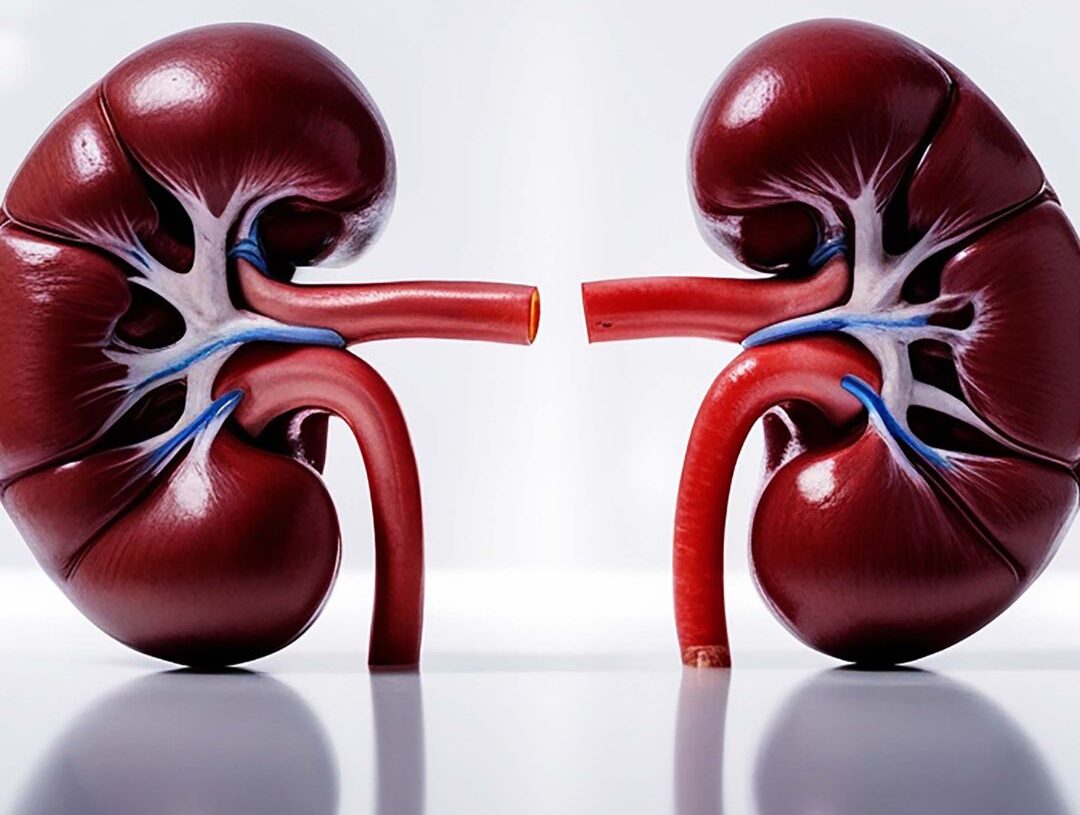
Orange is the color of turmeric, the most clinically researched anti-inflammatory spice on earth. It governs the kidneys — organs that filter your entire blood volume 30 times a day — and the adrenal glands that manage your stress response. Kidney disease is often symptomless until 60 percent of function is already lost. Orange is the colour of early action.
What you should do:
-
Drink 2.5 to 3 liters of water daily — the simplest kidney medicine
-
Add turmeric to one meal daily — curcumin is a proven renal anti-inflammatory
-
Reduce excess salt — sodium is the single biggest driver of kidney stress
-
Get a Kidney Function Test annually if you have diabetes or hypertension
Quinek’s nephrology range supports kidney health at every stage of disease.
3.Yellow — Sunlight, Immunity, Detox
Organs: Liver, Lymphatic System, Skin
Yellow is the color of Vitamin D — the sunshine vitamin — and of the bile your liver produces to digest fats and flush toxins. India has one of the highest rates of Vitamin D deficiency in the world, despite being a sun-drenched country. The liver silently processes over 500 functions every day. When yellow is weak, your immunity, energy, and mood all suffer together.
What you should do:
-
Get 20 minutes of morning sunlight — the body synthesizes Vitamin D in direct sunlight
-
Eat yellow and orange foods — papaya, mango, and sweet corn for immune carotenoids
-
Test your Vitamin D and Vitamin B12 levels — both deficiencies are extremely common in India
-
Limit alcohol to protect the liver — it is your only irreplaceable detox organ
General wellness and preventive medicine is Quinek’s foundation for all care.
4.Green — Breath, Balance, Hormones
Organs: Thyroid, Lungs, Nervous System
Green is the color of chlorophyll — structurally almost identical to haemoglobin, the molecule that carries oxygen in your blood. It governs the thyroid gland, the lungs, and the parasympathetic nervous system — the branch that switches your body into healing mode. Thyroid disorders affect 1 in 10 women in India and remain chronically underdiagnosed.
What you should do:
-
Eat dark leafy greens daily — spinach, methi, and moringa are iron and magnesium rich
-
Practice 10 minutes of deep breathing every morning — it resets the stress axis
-
Get your TSH tested — fatigue and weight gain are often misattributed to other causes
-
Reduce screen time before sleep — cortisol disrupts thyroid function over time
Hormonal balance is central to Quinek’s gynecology and women’s wellness portfolio.
5.Blue — Flow, Clarity, Elimination
Organs: Urinary Tract, Bladder, Prostate
Blue governs water and flow — the urinary tract, the bladder, and in men, the prostate. Urinary tract infections are among the most common bacterial infections worldwide, while benign prostatic hyperplasia affects more than half of men over 50. These are conditions where early intervention is simple, yet delayed diagnosis leads to chronic complications. Blue health is about keeping the body’s pathways clean and open.
What you should do:
-
Never hold urine for more than 4 hours — it weakens the bladder lining progressively
-
Men above 45 should get a PSA blood test as part of their annual check-up
-
Cranberry extract prevents UTIs by blocking bacterial adhesion to the urinary wall
-
Reduce caffeine and fizzy drinks — both irritate the bladder and worsen urgency
Quinek’s urology portfolio covers the full spectrum of urinary and prostate health.
6.Indigo — Mind, Memory, Sleep
Organs: Brain, Eyes, Pineal Gland
Indigo governs the brain, vision, and the pineal gland that produces melatonin — your sleep hormone. Depression, anxiety, and cognitive decline are now India’s fastest-growing non-communicable diseases, yet mental health remains the most stigmatized area of medicine. The brain is an organ. It deserves the same care as the heart.
What you should do:
-
Protect 7 to 8 hours of sleep — the brain detoxifies itself only during deep sleep cycles
-
Eat walnuts, flaxseed, and fatty fish — Omega-3 DHA is the brain’s structural building block
-
Treat mental health like physical health — seeking help is medicine, not weakness
-
Use the 20-20-20 rule: every 20 minutes, look 20 feet away for 20 seconds to protect vision
Quinek’s neuropsychiatry range supports brain health with evidence-based, compassionate medicine.
7.Violet — Fertility, Hormones, New Life
Organs: Ovaries, Testes, Endocrine System
Violet carries the highest frequency in visible light — and in the body, it governs the most intricate system: reproductive health and the entire endocrine orchestra. PCOS affects 1 in 5 women of reproductive age in India. Male infertility accounts for nearly half of all conception challenges, yet is rarely investigated first. IVF — the science and miracle of assisted reproduction — lives entirely in this space.
What you should do:
-
For couples trying to conceive: both partners should be evaluated simultaneously
-
Begin folic acid supplementation three months before a planned pregnancy
-
PCOS is manageable — early diagnosis through ultrasound and hormone panels transforms outcomes
-
Minimize plastic food containers — BPA and phthalates are proven endocrine disruptors
IVF and reproductive medicine is Quinek’s deepest commitment. We walk this journey with you.
8.Pink — Tenderness, Self-Care, Women’s Health
Organs: Breast, Skin, Emotional Health
Pink is the color of self-care — of the breast, the skin which is your largest and most visible organ, and the emotional heart. Breast cancer is now the most common cancer among Indian women, yet early detection through self-examination remains rare. Your skin is not vanity — it is a mirror of your internal health, reflecting hormonal imbalance, nutritional gaps, and inflammation before any blood test can.
What you should do:
-
Every woman above 30 should perform a monthly breast self-examination
-
Wear SPF 30 or higher sunscreen every day — UV damage accumulates invisibly over decades
-
Hydrate your skin from within — collagen is built from Vitamin C, not from topical creams
-
Schedule a mammogram if you are above 40 or carry a family history of breast cancer
Quinek cares for women at every stage — from first cycle to motherhood and beyond.
9.White — Purity, Stillness, Wholeness
Organs: Bones, Immune Cells, Mind-Body Peace
White contains every color — and in the body, it represents your white blood cells, your bones, and the stillness of a well-regulated nervous system. Osteoporosis silently weakens bones in millions of Indians, especially women after menopause. White is also the color of peace — of the state where inflammation falls, immunity rises, and the body repairs itself. Rest is not laziness. It is biology.
What you should do:
-
Get a DEXA scan for bone density if you are a woman above 45 or have low Vitamin D
-
Take calcium and Vitamin D together — calcium alone cannot be absorbed without D
-
Meditate for 10 minutes daily — proven to measurably reduce cortisol and inflammation
-
Nurture your relationships — loneliness has the same inflammatory impact as smoking
Whole-person wellness — body and mind — is the philosophy behind every Quinek medicine.
Why Preventive Health Cannot Wait
-
1 in 4 Indians will face cardiovascular disease in their lifetime
-
1 in 5 Indian women of reproductive age live with PCOS
-
17 percent of Indians have chronic kidney disease — most undiagnosed
-
Over 56 million Indians live with depression — the most undertreated condition
-
70 percent of Indians are Vitamin D deficient despite year-round sunlight
These are not distant statistics. These are your family members, your colleagues, and quite possibly, you. The good news is that awareness and early action change every single one of these outcomes.
From the House of Quinek Life Sciences
At Quinek Life Sciences, we develop and deliver specialty pharmaceutical solutions across the systems that matter most. Our medicines are built on clinical evidence, compassionate understanding, and a deep respect for the complexity of the human body.
Whether you are navigating a fertility journey, managing a kidney condition, supporting mental wellness, or simply investing in prevention — Quinek is here with the science, the care, and the commitment you deserve.
Our areas of specialty: IVF and Fertility, Gynecology, Nephrology, Urology, Neuropsychiatry, and General Medicine.
“The body always speaks first in color — in the flush of fever, the pallor of anemia, the yellow of jaundice. Learning to read these signals is the oldest form of medicine.”
— Quinek Life Sciences
This article is for educational and wellness awareness purposes only. Please consult your physician or specialist before making any changes to your health regimen or medication.